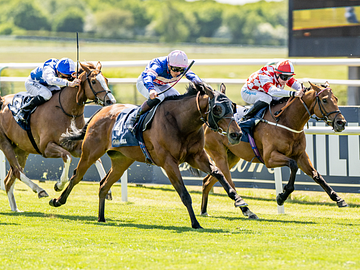
When evaluating horses for racing potential or simply understanding what makes any horse exceptional, enthusiasts and members of racing communities need comprehensive knowledge. Whether you're considering racehorse ownership through a racing membership or deepening your appreciation for the sport, understanding the fundamental aspects of equine assessment proves invaluable. The ability to evaluate any horse systematically requires knowledge spanning breed characteristics, physical conformation, temperament, training history, and health considerations. This guide provides racing enthusiasts with the framework to understand what transforms any horse into a potential champion on the tracks of Kent and Surrey.
Understanding Breed Characteristics and Racing Potential
The foundation of evaluating any horse begins with understanding breed-specific traits and their implications for racing performance. Thoroughbreds dominate flat racing due to their exceptional speed and stamina, developed through centuries of selective breeding. Thoroughbred horses possess distinct characteristics that make them particularly suited for competitive racing environments.
When assessing any horse for racing potential, breed heritage reveals critical information about expected performance capabilities. Key breed considerations include:
- Thoroughbred lineage for speed and competitive spirit
- Quarter Horse genetics for short-distance explosive power
- Arabian bloodlines for exceptional endurance
- Crossbreeding influences that combine desirable traits
The historical development of various horse breeds provides context for understanding why certain horses excel in specific racing disciplines. Any horse with documented pedigree demonstrates predictable traits that experienced trainers and owners recognize as valuable indicators of future performance.
Physical Conformation and Athletic Assessment
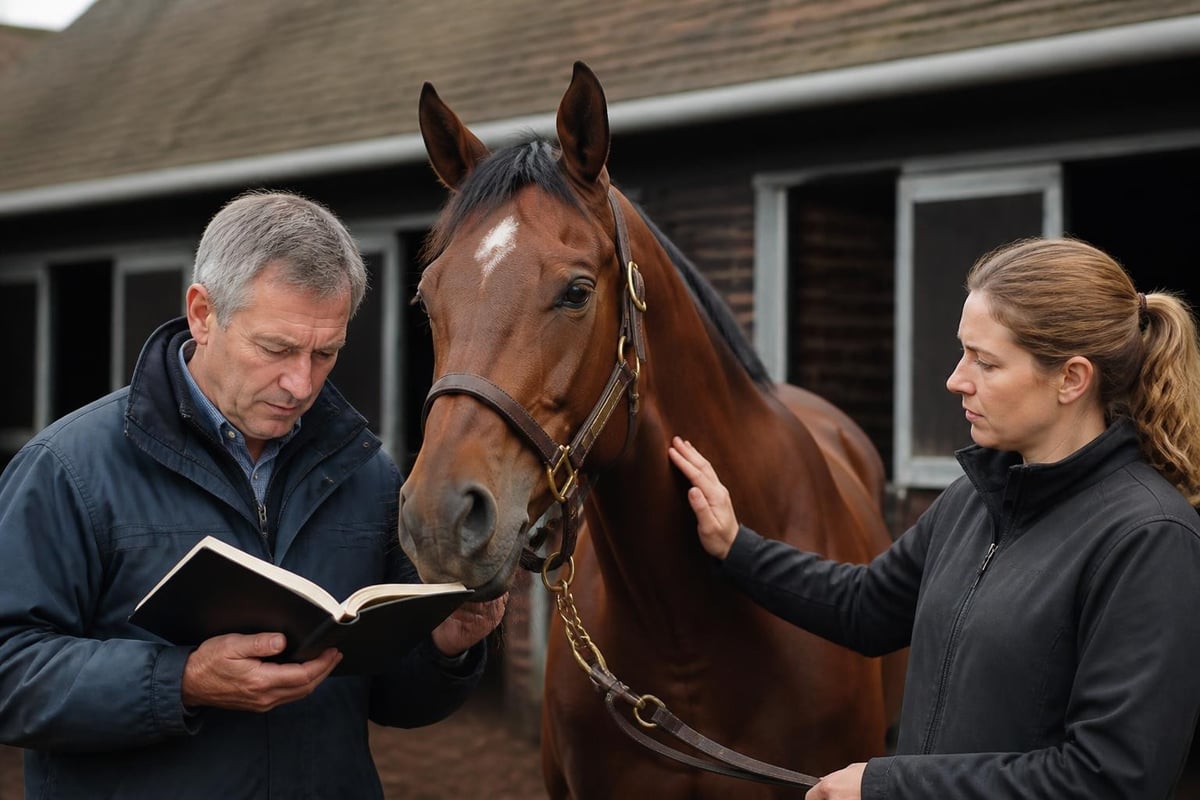
Physical structure determines how any horse moves, performs, and withstands the demands of racing. Conformation assessment examines bone structure, muscle development, leg alignment, and overall balance. Proper conformation in any horse reduces injury risk while maximizing speed and endurance capabilities.
Critical conformation points include:
- Shoulder angle allowing for extended stride length
- Hindquarter strength providing propulsion power
- Leg straightness ensuring balanced weight distribution
- Hoof quality supporting impact absorption
- Overall proportions indicating athletic potential
Conformation Element Ideal Characteristic Racing Impact Shoulder Long, sloped (45-50 degrees) Extended stride, speed Back Short, strong, level Power transfer efficiency Hindquarters Well-muscled, powerful Acceleration, stamina Legs Straight, clean joints Soundness, longevity Chest Deep, adequate lung capacity Cardiovascular performance
Members exploring opportunities through racecourse hospitality experiences often develop an eye for these physical attributes when observing horses in the parade ring.
Health and Soundness Evaluation
The health status of any horse directly impacts its racing career longevity and performance consistency. Comprehensive veterinary examinations reveal potential issues before they become career-limiting problems. Pre-purchase examinations for any horse should include cardiovascular assessment, respiratory function testing, orthopedic evaluation, and diagnostic imaging when warranted.
Nutritional requirements play fundamental roles in maintaining the health of any horse in training. Proper nutrition supports muscle development, bone density, and immune system function essential for competitive racing.
Common Health Considerations
Any horse entering racing training requires monitoring for conditions that commonly affect performance horses. Priority health areas include:
- Joint health and early arthritis detection
- Respiratory efficiency for optimal oxygen intake
- Digestive system functionality and ulcer prevention
- Cardiovascular capacity measurements
- Muscle recovery and injury prevention
Racing members who participate in trainer's yard visits gain firsthand understanding of the daily health management protocols that keep any horse performing at peak levels.
Temperament and Trainability Assessment
The mental characteristics of any horse prove equally important as physical attributes in racing success. Temperament influences how any horse responds to training pressure, handles race-day excitement, and recovers from setbacks. Understanding horse behavior patterns helps predict training outcomes and career potential.
Desirable temperamental traits include:
- Willingness to work and please handlers
- Courage under competitive pressure
- Focus during training sessions
- Resilience after difficult experiences
- Appropriate energy levels
Any horse with excessive nervousness or aggressive tendencies faces challenges in the structured racing environment. Conversely, horses lacking competitive spirit may possess excellent conformation but fail to deliver winning performances when it matters most.
Training History and Development
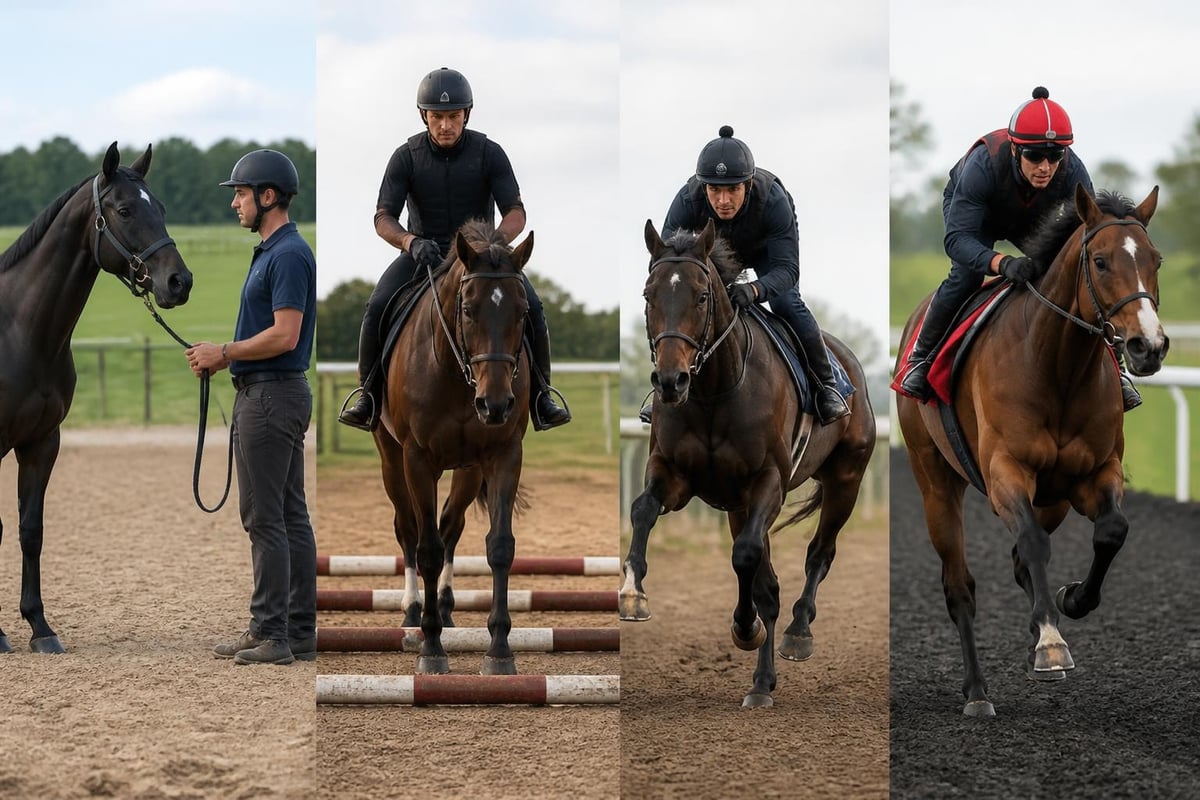
The training background of any horse reveals crucial information about its preparation level and future potential. Effective horse training methods build progressive skill development while maintaining soundness and enthusiasm. Any horse with consistent, professional training demonstrates better race readiness than those with irregular preparation. Training Stage Duration Key Developments Basic Handling 6-12 months Trust, leading, grooming Breaking/Starting 2-3 months Accepting tack, rider weight Early Conditioning 3-6 months Fitness building, basic gaits Race Preparation 4-8 months Speed work, gate training Competition Ready Ongoing Race strategy, peak fitness
Members interested in the complete ownership experience can explore opportunities through programs that provide insight into how trainers develop horses from early training through race-day performance.
Performance Records and Racing History
For any horse with previous racing experience, performance records provide objective data about capabilities and tendencies. Race charts reveal preferred distances, surface preferences, running styles, and competitive level. Any horse showing consistent improvement demonstrates positive training response and developing potential.
Key performance indicators include:
- Win percentage across career starts
- Earnings relative to opportunities
- Speed figures showing competitive level
- Class progression indicating improvement
- Consistency of performances
The racing communities throughout Kent and Surrey maintain detailed records accessible to members, enabling informed evaluation of any horse competing at regional racecourses. These records help identify horses worthy of following or potential ownership consideration.
Distance and Surface Preferences
Any horse demonstrates preferences for specific racing conditions that savvy observers recognize. Distance suitability depends on breeding, conformation, and running style. Some horses excel at sprint distances under six furlongs, while others require mile-plus races to showcase stamina advantages.
Surface preferences affect any horse differently. Turf racing rewards fluid movers with efficient gaits, while all-weather surfaces suit horses with powerful, driving strides. Understanding different racecourse characteristics helps predict which horses perform optimally under specific conditions.
Age and Career Stage Considerations
The age of any horse significantly influences current value and future potential. Two-year-olds represent unknown quantities with theoretical potential but unproven abilities. Three-year-olds compete in classic races and demonstrate emerging talent. Older horses provide established form but may have physical limitations from previous campaigns.
Age-based evaluation factors:
- Two-year-olds: Pedigree emphasis, physical precocity, early training progress
- Three-year-olds: Race results, improvement trajectory, classic potential
- Four-year-olds and up: Established ability, soundness history, class level
Any horse transitioning between age groups requires reassessment as physical maturity and competitive demands change. Racing members following horses through these transitions gain valuable insights into development patterns and potential longevity.

Breeding Value and Future Potential
Beyond racing performance, any horse possesses potential breeding value that influences overall worth. Mares with proven race records command premium breeding fees, while stallions with successful offspring secure lucrative stud careers. Even geldings contribute value through racing earnings and promotional opportunities.
Comprehensive horse care and management throughout a racing career protects long-term value whether the horse continues competing or transitions to breeding. Any horse maintained properly retains options for productive post-racing life. Gender Racing Career Post-Racing Potential Colts/Stallions Highest class racing Premium stud fees Fillies/Mares Sex-restricted races Broodmare value Geldings Extended careers Riding/showing transition
The VIP Membership with KS Racing provides members with extensive exposure to elite horses throughout their careers, including opportunities to experience racehorse ownership firsthand through exclusive events. These experiences deepen understanding of how breeding, training, and management decisions shape any horse's journey from prospect to performer, accessible through membership benefits.

Market Value and Investment Perspective
Determining appropriate value for any horse requires balancing multiple factors including age, race record, breeding, conformation, and current soundness. Market conditions fluctuate based on economic factors, racing purses, and breeding trends. Any horse purchased wisely represents both sporting participation and financial consideration.
Valuation components include:
- Current racing class and earnings
- Pedigree strength and fashionable bloodlines
- Physical quality and conformation
- Age and remaining competitive years
- Soundness and veterinary history
- Training fees and ongoing costs
Experienced racing members develop valuation skills through regular exposure to horses at various price points and performance levels. The community aspect of racing memberships facilitates knowledge sharing about market trends and value identification.
Ownership Models and Accessibility
Any horse can become accessible to enthusiasts through various ownership structures. Traditional sole ownership provides complete control but requires substantial financial commitment. Partnership arrangements distribute costs while maintaining direct involvement. Racing memberships offer alternative participation that provides ownership experiences without full purchase requirements.
These varied approaches allow racing enthusiasts to engage with any horse at levels matching their interests and budgets. The Kent and Surrey racing community supports multiple participation models, creating pathways for members to deepen their involvement progressively.
Regional Advantages in Kent and Surrey
The historic racing regions of Kent and Surrey offer unique advantages for evaluating and following any horse. Proximity to multiple quality racecourses including Epsom, Lingfield, Sandown Park, and Kempton Park provides exceptional opportunities to observe horses in competitive environments.
Regional benefits include:
- Multiple viewing opportunities across diverse racecourses
- Established training centers with experienced professionals
- Active racing communities sharing knowledge and insights
- Year-round racing on turf and all-weather surfaces
- Historic significance attracting quality horses
Members staying informed through regular racing news and updates gain competitive advantages in identifying promising horses before wider recognition develops. Local knowledge about trainers, tracks, and conditions helps predict which any horse might excel in regional competition.
Professional Networks and Expert Guidance
Successful evaluation of any horse benefits from professional expertise and established networks. Veterinarians, trainers, bloodstock agents, and experienced owners provide specialized knowledge that accelerates learning curves. Building relationships within racing communities opens access to insider perspectives on any horse entering training or competition.
The community fostered by racing memberships creates natural networking opportunities. Regular interaction with professionals and fellow enthusiasts develops evaluation skills through shared experiences and collective wisdom. Any horse discussed within these networks receives multiple perspective analysis that individual assessment might miss.
Understanding what makes any horse exceptional requires comprehensive knowledge spanning breeding, conformation, health, temperament, training, and performance history. Racing enthusiasts who develop these evaluation skills enhance their enjoyment and participation in the sport significantly. Kent and Surrey Racing connects passionate members with the horses, trainers, and racecourses that make this region exceptional, offering exclusive access to yard visits, hospitality events, and ownership experiences that transform any horse from distant competitor into familiar friend. Join the community where knowledge meets passion and every race day brings new opportunities to witness excellence.