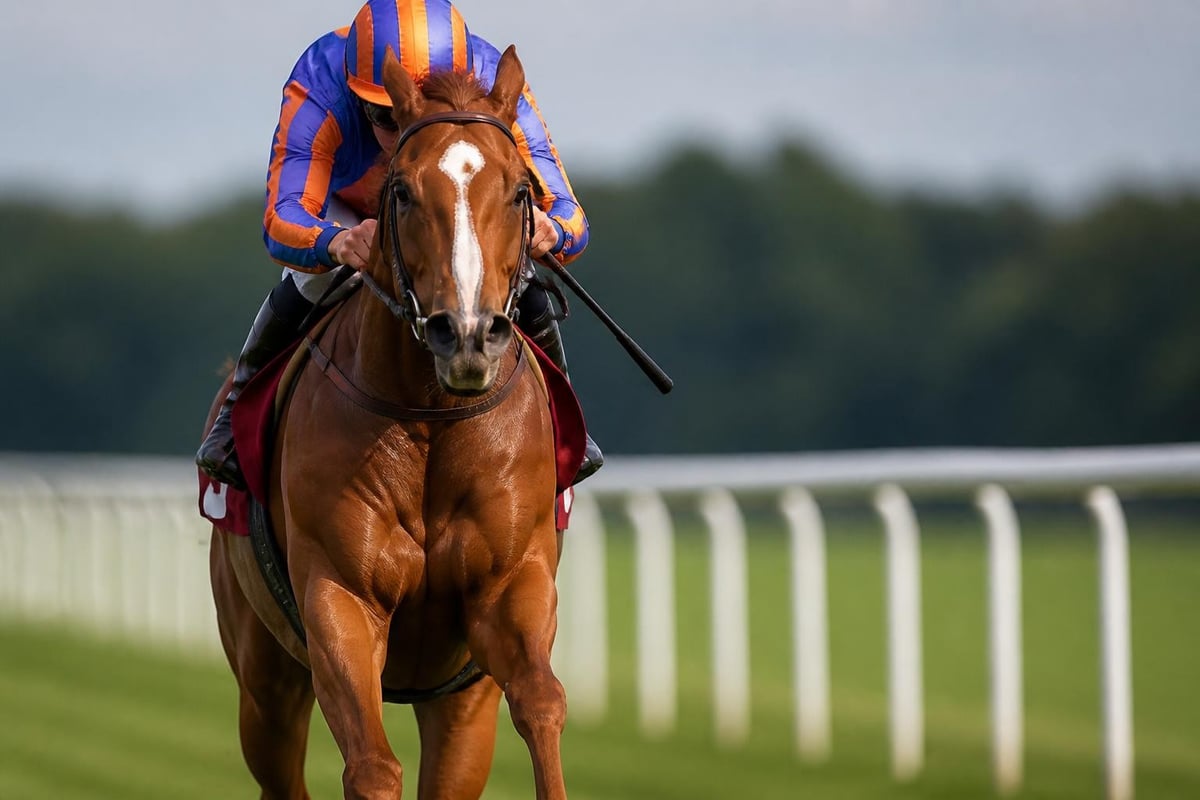
The world of Thoroughbred racing has been graced by extraordinary equine athletes whose performances have captivated audiences and redefined what's possible on the racetrack. Understanding what makes top racing horses exceptional goes beyond appreciating their speed; it involves examining their breeding, training, physical attributes, and the intangible quality often called "heart." For enthusiasts and members of racing communities, recognizing these champions provides valuable insights into the sport's evolution and the standards that define greatness.
Defining Excellence in Thoroughbred Champions
When evaluating what makes top racing horses stand out from their peers, several critical factors emerge. These elements combine to create athletes capable of dominating their competition and leaving lasting legacies.
Physical Conformation and Genetic Heritage
The foundation of any champion racehorse begins with superior conformation and bloodlines. Top racing horses typically display balanced proportions, strong hindquarters for power, and a deep chest for cardiovascular capacity. The angle of the shoulder, length of stride, and bone density all contribute to athletic potential.
Key conformation elements include:
- Correct leg alignment to minimize injury risk
- Proportionate balance between front and rear quarters
- Strong, well-defined muscle groups
- Efficient respiratory system capacity
- Optimal heart size and function
Breeding programs carefully select stallions and mares based on pedigree analysis, track records, and genetic compatibility. The best bloodlines consistently produce horses with the physical tools necessary for elite competition.
Training Methodologies and Conditioning
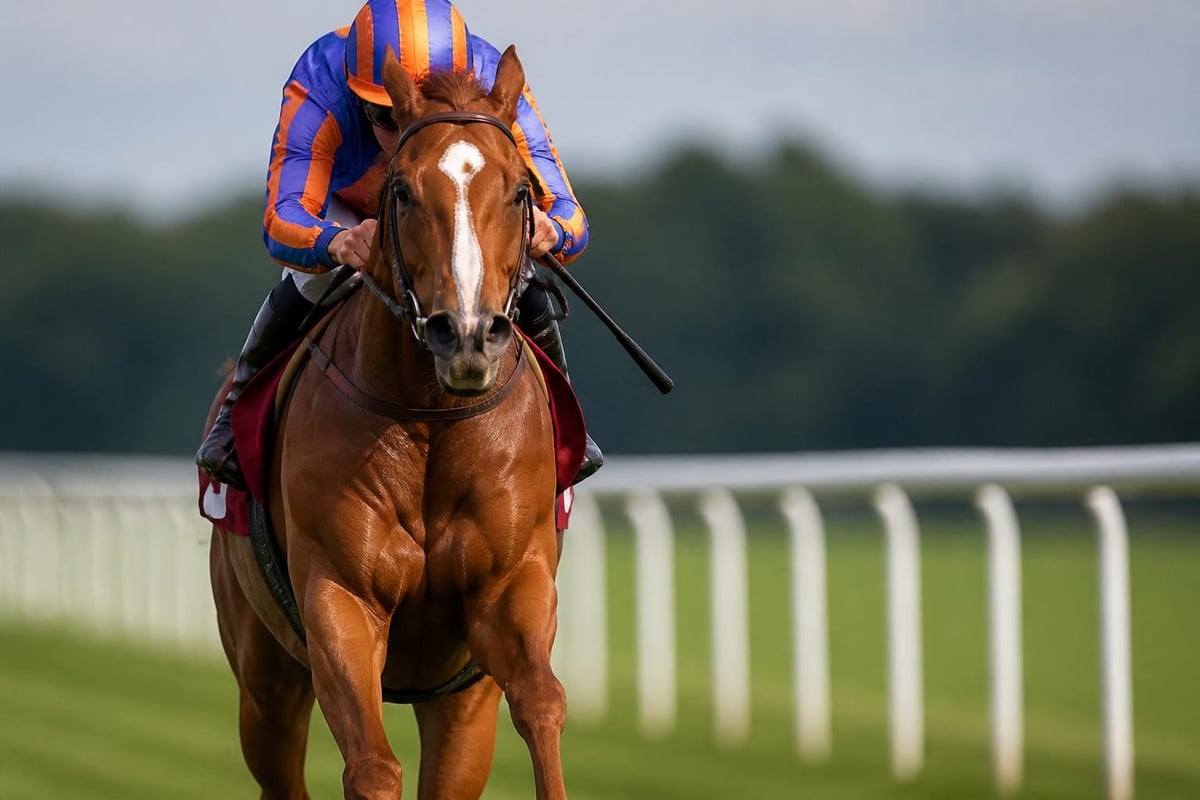
Even horses with exceptional genetics require expert training to reach their full potential. Modern training programs balance intensity with recovery, recognizing that optimal training load management directly impacts performance and injury prevention.
Training top racing horses involves progressive conditioning that develops:
- Aerobic capacity through longer, steady gallops
- Anaerobic power via sprint work and interval training
- Mental resilience through varied race-day simulations
- Tactical awareness by exposing horses to different racing scenarios
- Recovery protocols including proper nutrition and veterinary care
The most successful trainers understand each horse's individual needs and adjust programs accordingly. Some horses thrive on aggressive training schedules, while others require more conservative approaches to maintain soundness.
Legendary Champions of Recent Decades
The 21st century has produced remarkable champions whose performances have elevated the sport. These top racehorses of the modern era have set standards that future generations will strive to match.
International Stars and Rating Systems
The Longines World's Best Racehorse Rankings provide an objective measure of excellence across different racing jurisdictions. In 2024, City of Troy and Laurel River shared the prestigious award, demonstrating exceptional performances throughout their campaigns. Horse Name Rating Primary Achievement Year City of Troy 130 Breeders' Cup Classic 2024 Laurel River 130 Prix de l'Arc de Triomphe 2024 Sovereignty 127 Kentucky Derby & Belmont 2025
More recently, Sovereignty entered the top five rankings following dominant victories in classic races, establishing himself as the highest-rated 3-year-old globally. His performances showcased the combination of speed, stamina, and competitive drive that defines top racing horses.
European Excellence and British Champions
Britain has produced numerous champions who have excelled at racecourses across Kent and Surrey. These prestigious venues have witnessed unforgettable performances from horses that went on to achieve international recognition.
Frankel remains the gold standard for modern racehorses, retiring undefeated with a perfect 14-0 record. His dominance at tracks including those featured in Kent and Surrey racing circuits demonstrated superiority across different distances and conditions.
Notable British champions include:
- Enable, who won the Prix de l'Arc de Triomphe twice
- Sea The Stars, undefeated in six starts as a 3-year-old
- Kingman, who dominated milers during his racing career
- Golden Horn, winner of the Epsom Derby and Prix de l'Arc
Performance Analytics and Race Strategy
Understanding how top racing horses achieve their results requires examining the tactical elements that influence race outcomes. Modern analysis combines traditional horsemanship with data-driven insights.
Pace Strategy and Energy Management
Research into optimal speed strategies in Thoroughbred racing reveals that the best horses efficiently manage their energy expenditure throughout a race. Unlike human athletes who can adjust strategy consciously, horses rely on training and jockey guidance to execute optimal pace profiles.
Top racing horses typically demonstrate:
- Ability to settle early and conserve energy
- Explosive acceleration when needed
- Sustained speed through the final furlong
- Quick recovery between competitive efforts
Jockeys play a crucial role in positioning horses favorably and timing their final moves. The partnership between rider and horse often determines whether a talented athlete becomes a champion.
Track Conditions and Surface Preferences
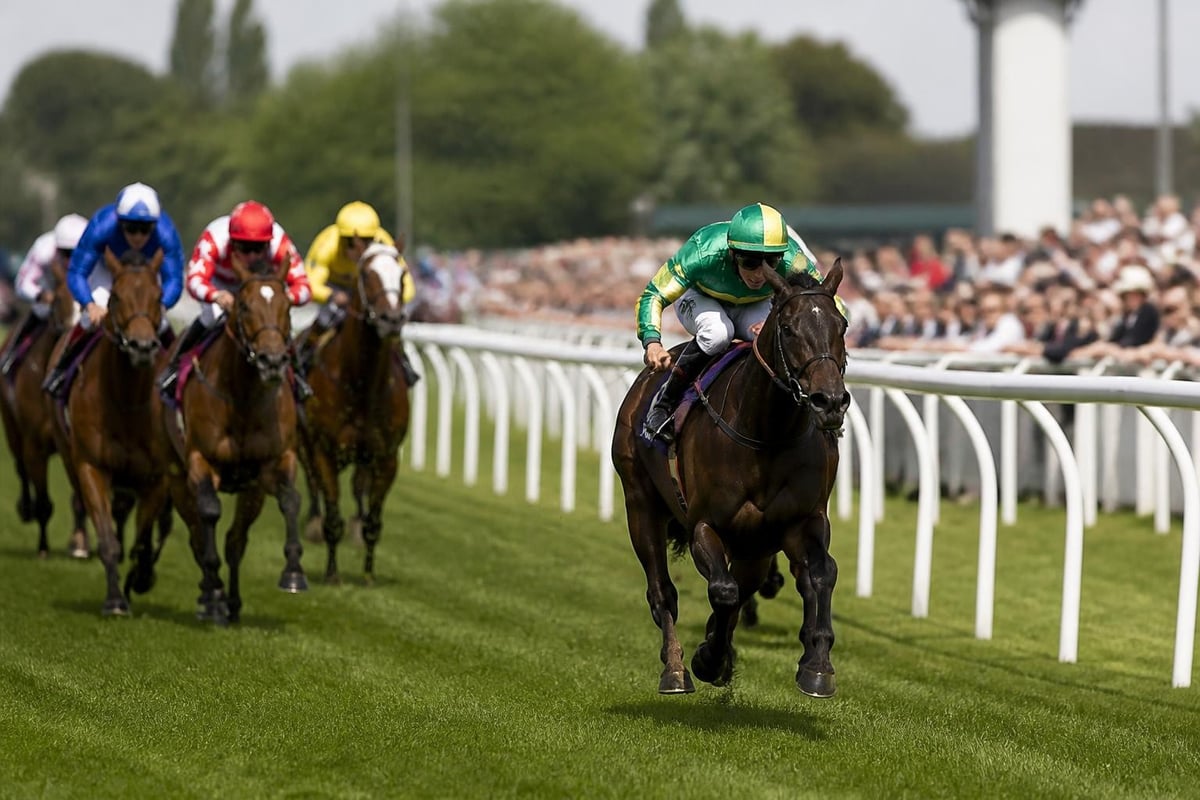
Elite horses often show preferences for specific track conditions or surfaces. Some excel on firm turf, while others perform best on synthetic surfaces or traditional dirt tracks. Surface Type Characteristics Suited Horses Firm Turf Requires sure-footedness Speed-oriented runners Soft/Heavy Turf Demands stamina Strong, powerful horses Dirt Track Traditional surface Versatile athletes Synthetic Consistent conditions Technically sound movers
Venues like Lingfield Racecourse offer all-weather surfaces that provide consistent racing opportunities year-round, allowing horses to develop their skills in predictable conditions.
Identifying Future Champions
Recognizing potential in young horses requires expertise and careful observation. Industry professionals use various assessment methods to project which horses might join the ranks of champions.
Early Indicators of Excellence
Top racing horses often display certain characteristics from an early age. Yearling sales and 2-year-old trials provide opportunities to evaluate prospects before they enter serious competition.
Trainers and scouts look for:
- Natural athleticism and coordination
- Positive temperament and trainability
- Sound conformation without structural flaws
- Pedigree suggesting class and ability
- Strong work ethic during training sessions
Not all early promise translates to race track success, making talent identification an imperfect science. Some horses mature later, while others peak early and fail to progress.
The Role of Professional Development Programs
Quality training facilities and experienced handlers significantly impact a horse's development trajectory. Establishments featured in trainer profiles throughout Kent and Surrey have produced numerous successful runners through systematic development programs.
Modern training yards incorporate:
- Veterinary monitoring and preventive care
- Nutritional optimization programs
- Varied training surfaces and distances
- Mental conditioning and stress management
- Regular assessment and program adjustments
Members of racing communities gain valuable insights by following these development processes through exclusive membership benefits. Experiencing racehorse ownership provides unique perspectives on what separates good horses from great ones.

Contemporary Stars Making Headlines
The current racing season continues to produce exceptional performances from top racing horses competing at the highest levels. Recent results demonstrate the depth of talent across different age groups and racing categories.
Classic Winners and Triple Crown Contenders
Classic races remain the ultimate proving ground for 3-year-old Thoroughbreds. These prestigious events test speed, stamina, and competitive courage in equal measure.
Napoleon Solo's Preakness Stakes victory highlighted the competitive nature of the 2026 classic season. The race showcased multiple talented horses, each bringing different strengths to the competition.
Triple Crown attempts capture public imagination, though the achievement remains rare. Horses pursuing this goal must excel across varying distances and demonstrate exceptional versatility.
Maintaining Integrity in Elite Competition
The sport's credibility depends on maintaining fair competition and strict regulatory oversight. Recent challenges, including investigations into performance-enhancing substances, underscore the importance of vigilant testing and enforcement.
Top racing horses achieve their results through:
- Systematic training programs
- Genetic advantages
- Expert horsemanship
- Proper nutrition and care
- Natural athletic ability
Regulatory bodies continue developing more sophisticated testing methods to ensure all competitors race on level terms.
Regional Excellence in Kent and Surrey
The racing heritage of Kent and Surrey includes numerous venues that have hosted memorable performances from champion horses. These historic tracks continue contributing to the sport's development.
Iconic Racecourses and Their Champions
Epsom Racecourse stands as one of racing's most prestigious venues, home to the Derby Stakes since 1780. This race has crowned numerous champions who went on to achieve greatness in breeding or international competition.
Major regional venues include:
- Sandown Park: Features both flat and National Hunt racing
- Kempton Park: Hosts King George VI Chase annually
- Lingfield Park: Provides all-weather racing opportunities
- Epsom Downs: Traditional home of classic flat racing
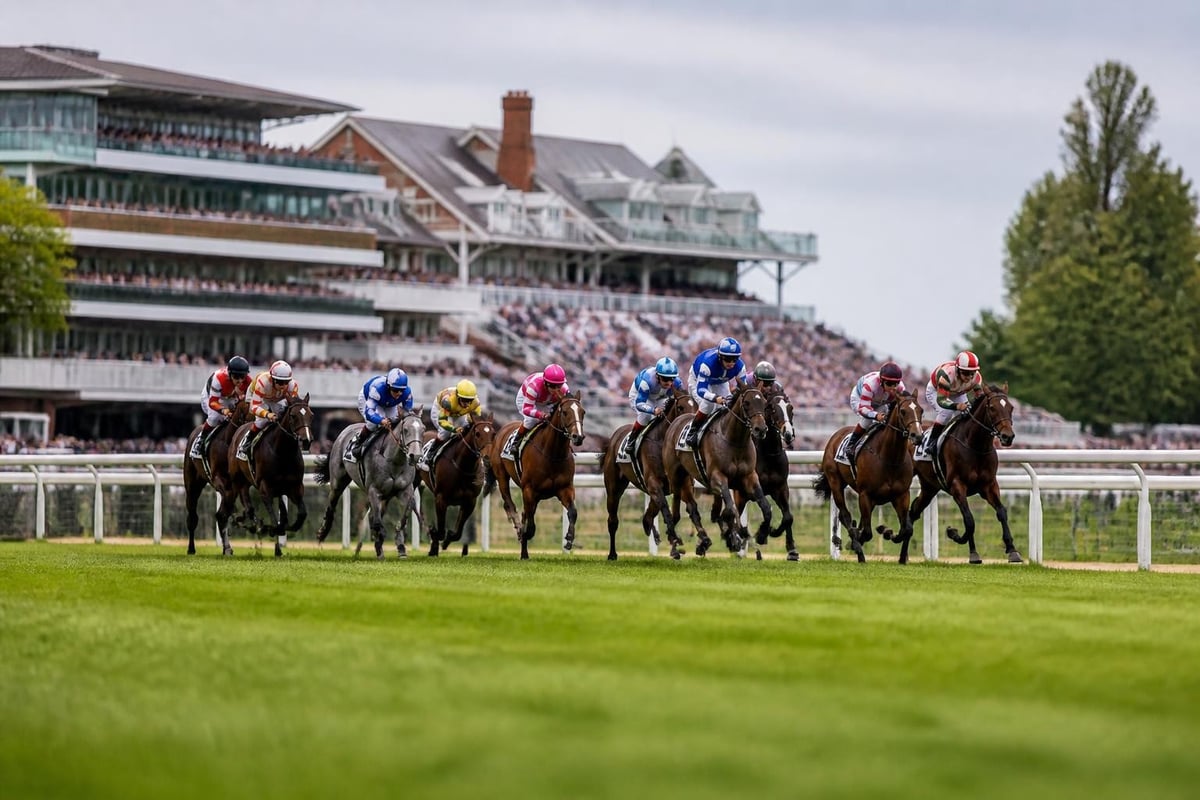
Each venue presents unique challenges that test different aspects of equine athleticism. Top racing horses demonstrate versatility by performing well across various tracks.
Supporting Local Racing Communities
Racing enthusiasts throughout the region benefit from proximity to world-class facilities and opportunities to engage with the sport at multiple levels. Racing community membership provides access to exclusive events, trainer insights, and the excitement of following horses throughout their careers.
Understanding what makes top racing horses exceptional enhances appreciation for the sport. Members gain insider perspectives on training methods, breeding decisions, and the daily work required to maintain elite athletes.
Breeding the Next Generation
The quest to produce future champions drives breeding programs worldwide. Top racing horses often transition to stud careers, passing their genetic advantages to subsequent generations.
Stallion Selection and Mare Quality
Successful breeding requires matching complementary bloodlines while considering:
- Race record and class of both parents
- Physical conformation compatibility
- Temperament and trainability factors
- Pedigree analysis for genetic diversity
- Market demand and commercial viability
Breeding Factor Importance Considerations Stallion Pedigree Critical Proven race record, progeny success Mare Quality Critical Family performance, physical type Conformation Match High Complementary structures Temperament Moderate Trainability, competitive desire Commercial Appeal Variable Market trends, buyer preferences
Not all champion racehorses produce champion offspring, making breeding results unpredictable despite careful planning.
Emerging Bloodlines and Trends
Contemporary breeding trends reflect changing preferences in racing formats and marketplace demands. Breeders increasingly focus on horses capable of early maturity while maintaining soundness for extended careers.
Modern top racing horses often descend from bloodlines emphasizing:
- Speed combined with tactical ability
- Physical durability and injury resistance
- Versatility across distances and surfaces
- Strong mental attributes and competitive desire
- International appeal for worldwide racing opportunities
Training Innovations Shaping Future Champions
Advancements in equine sports science continue refining how trainers prepare top racing horses for competition. Technology supplements traditional methods, providing detailed performance data.
Monitoring and Assessment Tools
Modern training facilities employ sophisticated equipment to track:
- Heart rate variability and cardiovascular fitness
- Stride analysis and biomechanical efficiency
- Recovery rates following exercise
- Blood markers indicating fitness levels
- Video analysis for technique improvement
These tools help trainers optimize conditioning programs while identifying potential issues before they cause injury.
Balancing Tradition and Innovation
Despite technological advances, fundamental horsemanship principles remain central to developing champions. Experienced trainers blend data insights with intuitive understanding of individual horses.
Successful programs maintain focus on:
- Building trusting relationships between horses and handlers
- Gradual progression respecting natural development
- Individual customization rather than one-size-fits-all approaches
- Proper rest and recovery periods
- Mental well-being alongside physical conditioning
The best trainers understand that top racing horses require holistic development addressing physical, mental, and emotional needs.
Global Perspectives on Racing Excellence
While this discussion emphasizes British and European racing, top racing horses compete globally, with different regions offering unique competitive environments and breeding philosophies.
International Competition and Rankings
Cross-border racing allows direct comparison between champions from different jurisdictions. Events like the Breeders' Cup, Dubai World Cup, and Royal Ascot bring together international stars.
These competitions reveal that excellence transcends geographic boundaries. Horses trained in Kentucky compete successfully against European champions, demonstrating that quality preparation and natural ability matter more than origin.
Regional Racing Styles and Preferences
Different racing cultures emphasize varying attributes:
- American racing: Often emphasizes early speed and dirt track prowess
- European racing: Values versatility and turf performance
- Australian racing: Focuses on stamina and handicap competition
- Japanese racing: Combines international bloodlines with meticulous preparation
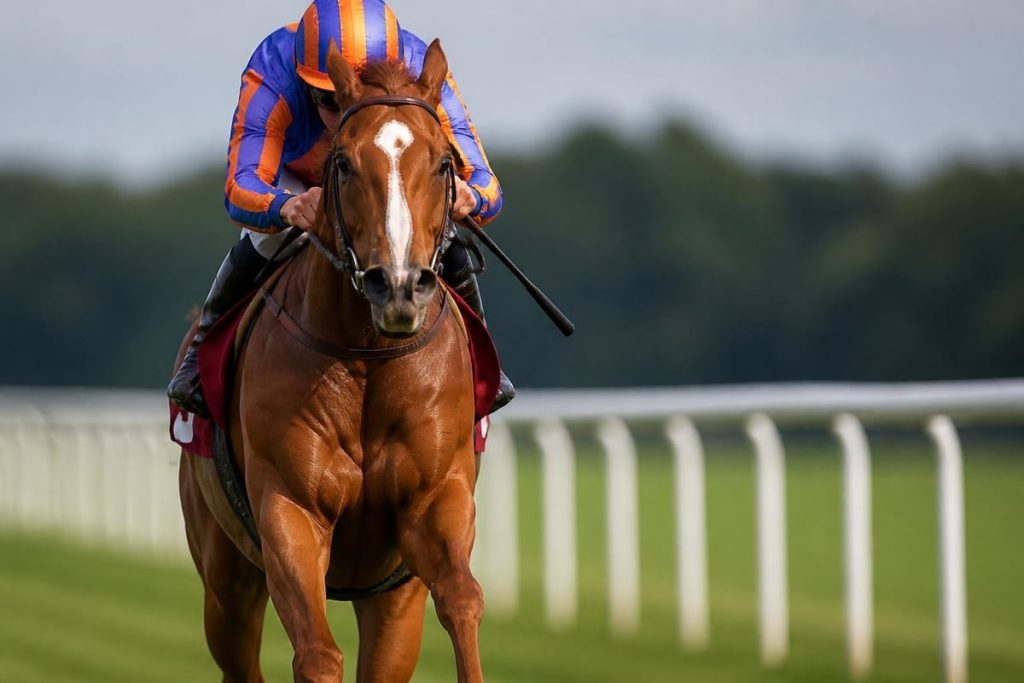
Understanding these differences enriches appreciation for how top racing horses adapt to various competitive environments.
The greatest racehorses combine exceptional genetics, expert training, and that indefinable quality separating good from great. Whether you're following international champions or discovering promising talent at local tracks, understanding these elements deepens your racing experience. Kent and Surrey Racing connects passionate enthusiasts with the region's rich racing heritage through exclusive membership benefits, including access to premier racecourses, trainer visits, and racehorse ownership experiences that bring you closer to the action.